















The Role of a Construction Safety Manager
Construction sites are inherently high-risk environments. Heavy equipment, working at heights, electrical systems, excavation, and countless moving parts create conditions that can lead to serious injuries or fatalities if not properly managed. Maintaining a safe work environment requires constant oversight, proactive planning, coaching, and a genuine commitment to the health and well-being of every person on site.
This is where a construction safety manager becomes indispensable. These professionals are responsible for protecting workers, building safety awareness, and helping projects run smoothly by preventing the incidents that cause harm and disruption.
This article explores what construction safety managers actually do and why their role is critical to the success of modern construction projects.
What Is a Construction Safety Manager?
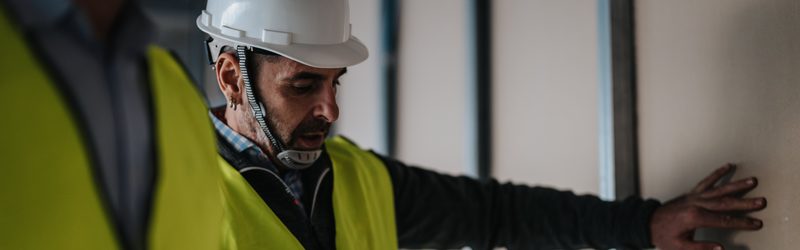
A construction safety manager is a qualified professional responsible for overseeing and coordinating all safety practices on a construction site. Their primary goal is to help ensure that every worker goes home healthy, and that the environment they work in supports that outcome every day.
Construction safety managers serve as the central authority for site safety, working closely with project managers, supervisors, and crews to maintain safe operations throughout the project. They play an essential role in developing and maintaining effective safety programs that protect workers while supporting efficient project execution. The scope of work includes:
- Overseeing safety procedures and job site practices
- Implementing safety policies and protocols
- Monitoring and improving site conditions and work practices
- Conducting safety training, coaching, and mentoring
- Promoting a strong safety culture among workers and leadership
Key Responsibilities of a Construction Safety Manager
A construction safety manager’s responsibilities extend far beyond enforcing rules. They are actively involved in monitoring site conditions, identifying hazards, coaching workers, and building the kind of awareness that prevents incidents before they happen. Some of their primary responsibilities include:
Developing Safety Programs and Procedures
Construction safety managers help design and implement structured safety plans tailored to specific projects. These plans include protocols for access to work areas, equipment use, emergency response procedures, and guidelines for handling hazardous materials. All developed with input from the people doing the work.
Conducting Safety Inspections and Audits
Regular inspections allow safety managers to identify potential hazards before they lead to accidents. By evaluating equipment, work areas, procedures, and processes, they maintain consistent standards across the site and create the documentation needed to track improvement over time.
Identifying and Mitigating Workplace Hazards
Construction sites present numerous risks, including falls, mobile equipment accidents, electrical hazards, and structural instability. Safety managers perform ongoing hazard assessments and apply hierarchy of controls to address risks at the source rather than relying on protective equipment as the primary defense.
Investigating Incidents and Near Misses
When accidents or near misses occur, safety managers facilitate investigations to determine root causes and implement corrective and preventive actions. This process helps understanding what happened and preventing similar incidents from happening in the future.
Ensuring Proper Use of PPE and Fall Protection
Personal protective equipment (PPE) and fall protection systems are essential tools, but they only work when used correctly. Safety managers verify that workers have the right protective gear for their assigned work and know how to use it correctly.
How Safety Managers Improve Job Site Safety
The most effective construction safety managers actively reduce risk through a combination of proactive leadership, hazard recognition, and a genuine investment in the people around them. Here is how they make a measurable difference:
- Safety by design: The best time to address a hazard is before work begins. Skilled safety managers are involved in the planning phase, identifying risks early and working with project teams to eliminate or engineer them out before workers are ever exposed. This upstream approach is where the greatest impact happens and it is what separates reactive safety programs from truly proactive ones.
- Hazard recognition and pre-task planning: One of the most underappreciated challenges on any job site is habituation. Workers who encounter the same hazards every day can become desensitized to them, no longer registering risks that were once obvious. Experienced safety managers recognize this and actively work to counter it. Through pre-task planning, toolbox talks, and direct engagement with crews, they coach workers to see their environment with fresh eyes and speak up when something doesn’t look right.
- Training, coaching, and mentoring: Knowledge and awareness are built over time. Safety managers invest in ongoing training, job-specific coaching, and mentoring relationships that help workers develop the judgment and instincts to recognize and respond to hazards on their own.
- Building a safety culture: Rules and procedures matter, but culture is what determines what actually happens on a job site when no one is watching. Great safety managers work to create environments where workers feel respected, heard, and genuinely invested in looking out for each other.
Safety as a People Priority, Not a Paperwork Exercise
Regulatory standards like OSHA set a legal floor for workplace safety; a minimum threshold that every employer is required to meet. But the organizations doing the most important work in this space have moved well beyond that floor. Their focus is not on avoiding citations. It is on protecting the health and lives of a skilled, experienced workforce that is genuinely difficult to replace.
Construction safety managers operating at the highest level understand this distinction. They are leaders who influence how people think, work, and look out for one another. That shift in orientation changes everything about how safety gets practiced on a job site.
A serious commitment to worker health and safety also delivers real operational benefits:
- Fewer incidents mean less downtime, lower costs, and projects that stay on schedule
- Workers who feel valued and protected perform better and stay longer
- Strong safety programs reduce legal and financial exposure when things go wrong
- A reputation for safety attracts better subcontractors, better talent, and better clients
HazTek offers OSHA representation and mediation support as part of its construction safety services, providing an additional layer of protection for contractors navigating complex regulatory situations. But that support exists in service of a larger goal: helping organizations build the kind of safety culture where regulatory intervention becomes less necessary over time.
How Safety Managers Support Project Efficiency
A common misconception is that prioritizing safety slows projects down. In reality, a skilled construction safety manager is one of the most valuable contributors to project efficiency on any job site. Here is why:
- Reducing costly incidents and downtime: A single serious incident can halt work for days or weeks, trigger investigations, and affect every subsequent phase of the project. Prevention is always faster and cheaper than response.
- Improving worker confidence and morale: When workers feel safe and protected, they perform better and are more engaged. This leads to higher-quality work, improved attendance, lower worker turnover, and fewer rework issues.
- Optimizing work practices: Safety managers help identify methods that are both safe and time-efficient, streamlining workflows without creating new exposures in the process.
- Preventing regulatory delays: By maintaining compliance throughout the project, safety managers help avoid inspections that delay work and help reduce the risk of permit holds.
At HazTek, we reinforce this efficiency focus through the Quality Assurance Protocol: a senior manager oversees every project, and for long-term engagements, we cross-train additional safety professionals to ensure continuity during vacations or unforeseen coverage gaps.
Tools and Technologies That Support Construction Safety Managers
Modern construction safety management increasingly relies on advanced tools and technologies that improve visibility, speed up communication, and support better decision-making:
- Safety monitoring systems: Digital platforms allow managers to track inspections, incidents, and corrective actions in real time, creating a permanent record and enabling data-driven improvements over time.
- Fall protection equipment and PPE: Advanced harness designs, engineered anchors, and monitoring technologies help protect workers at elevation while allowing them to remain productive.
- Mobile applications: Field reporting apps allow workers to flag hazards and near-misses instantly, closing the gap between what people see on site and what gets acted on.
- Training and consulting services: Specialized training providers and safety consultants help develop customized programs built around the specific hazards workers actually face.
Conclusion
Construction projects involve real risks, and managing them well requires professionals who show up every day committed to the people around them, who coach, plan, observe, and lead in ways that change how a workforce thinks about safety.
The value a skilled construction safety manager brings extends well beyond any regulatory requirement. Their work builds awareness, culture, and trust that make job sites genuinely safer, and organizations that invest in that work see it reflected in their people, projects, and results.
Whether you are an owner evaluating project risks, a general contractor planning staffing needs, or a project manager preparing for construction, partnering with a safety management provider like HazTek ensures that your team goes home safe and your project stays on schedule.